ERIS Insider summarizes key news items and current trends shaping the work of environmental assessment and due diligence practitioners.
ERIS Insider Sections
IN FOCUS
Time to Power: The Emerging Metric Reshaping Site Selection
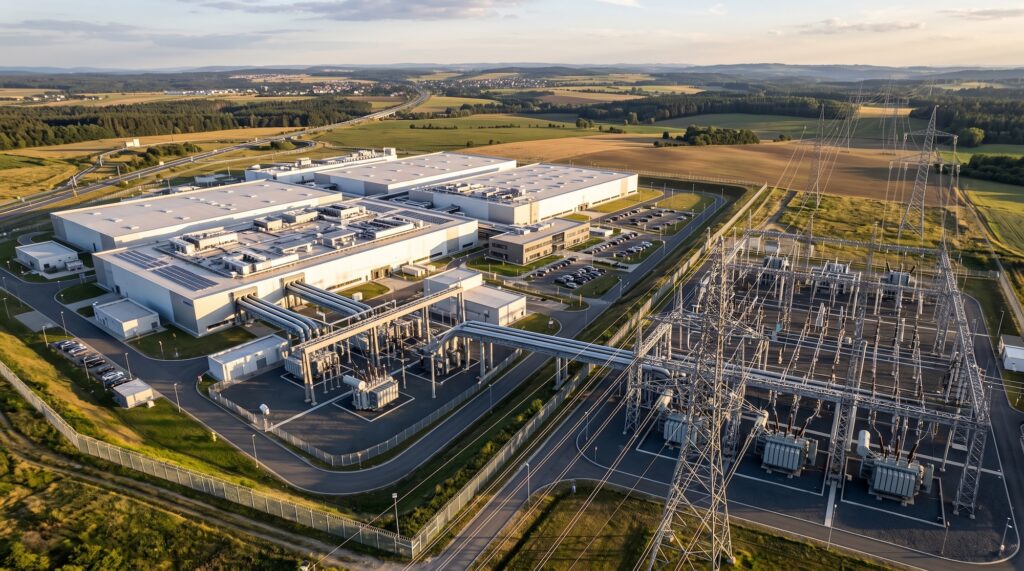
Access to reliable electricity is an increasingly important consideration in real estate and project development. Traditionally, site selection has focused on factors such as proximity to markets, workforce availability, transportation infrastructure, environmental conditions, permitting requirements, and economic incentives.
But as electricity demand grows from manufacturing, building and transportation electrification, automation, data centers, and other energy-intensive uses, power availability often determines whether a project is feasible. The issue is no longer whether electricity is available. It is whether sufficient, reliable power can be delivered in time to support both project development and operations.
Power Is Becoming a Fundamental Site-Selection Criterion
Power availability is crucial to economic development. In fact, communities without sufficient electrical capacity may be unable to compete for projects, even when their sites are otherwise attractive.
Several factors are driving growth in electricity demand. Domestic manufacturing is expanding, industrial processes are becoming more electrified, buildings are using more electricity, and transportation is shifting toward electric vehicles. At the same time, data centers and other large electricity users are adding significant new demand to the grid.
These trends mean that a site can have adequate acreage, favorable transportation access, an available workforce, and attractive incentives and still be a poor candidate if the electrical infrastructure doesn’t support the proposed use.
The issue is not simply whether a site has access to electricity, but whether sufficient power can be delivered when the project needs it. This makes “time to power” an emerging metric for evaluating project feasibility.
Why Time to Power Matters
There is an important distinction between power availability and the timing of power delivery. A utility ultimately may be able to provide the electricity a project needs, but if doing so requires a new substation, transmission upgrades, transformer capacity, or other infrastructure that will take several years to complete, the site may not work for a project on a much shorter development schedule.
For manufacturers and other energy-intensive users, that timing can affect the entire development process. Companies need to understand how much power is available today, how much additional capacity is required, what utility improvements will be necessary, and when those improvements can realistically be completed.
Utility lead times are becoming a development risk. As electrical infrastructure becomes more constrained, developers may face multiyear timelines for obtaining additional capacity. This can add significant uncertainty to project schedules and, in some cases, make an otherwise desirable location impractical.
As a result, power availability must be considered earlier during the site feasibility analysis. Rather than being addressed as part of later-stage due diligence, electrical capacity and utility timelines should be evaluated alongside land, transportation, labor, zoning, and other fundamental site characteristics.
Manufacturing and Industrial Development
Manufacturing provides one of the clearest examples of how rising electricity demand is changing site selection.
Modern manufacturing facilities require substantially more electricity than their predecessors as operations incorporate automation, robotics, advanced machinery, refrigeration, electric vehicle and battery production, and other electrified processes. Advanced manufacturing and reshoring are also increasing demand for industrial properties with sufficient electrical capacity.
For manufacturers evaluating multiple locations, power can therefore be a decisive factor. A preferred site may have an attractive location and strong labor and transportation characteristics but require significant utility upgrades. A less traditional location may be more competitive if it already has the electrical capacity necessary to support operations.
This is changing the sequence of the site-selection process, with power availability, utility upgrade timelines, and electricity costs considered at the beginning of the analysis rather than after a site has emerged as a leading candidate. As a result, sites that can accommodate energy-intensive operations without lengthy infrastructure improvements command a growing premium.
Warehousing, Logistics, and Electrification
Rising power demand is affecting more than traditional manufacturing.
Warehouses and distribution facilities are becoming more automated, with robotics, conveyors, automated sortation systems, and other technologies affecting electricity requirements. At the same time, the electrification of logistics fleets is creating additional demand for charging infrastructure.
These changes are reshaping what makes industrial properties attractive. Developers and users must consider not only the power needed to operate a facility today, but also the capacity required to support future charging infrastructure, battery systems, automation, and other changes in operations.
Properties with substantial electrical service have a competitive advantage over otherwise comparable facilities because they can accommodate more sophisticated or energy-intensive operations without waiting for lengthy utility upgrades. For users with time-sensitive expansion plans, that difference is significant.
Power Availability Is a Competitive Advantage
The implications extend beyond individual properties. For communities competing to attract new investment, power availability is becoming an important part of site readiness. Communities that can demonstrate available electrical capacity, reliable service, realistic utility timelines, and a path to future expansion may be better positioned to compete for energy-intensive projects.
For developers and companies, the value of a power-ready site is about more than the amount of electricity theoretically available. It is about speed and certainty. A site where the necessary power can be delivered within the project’s schedule may be more valuable than one with greater potential capacity that will not be available for several years.
Data Centers: The Most Visible Example of the Time to Power Problem
Data centers best illustrate the time-to-power issue. The rapid growth of artificial intelligence and cloud computing has made electricity availability a primary constraint on data center development in many markets. Developers are evaluating locations based on how quickly they can secure power, sometimes moving away from established data center markets toward emerging locations with greater available capacity. They are also exploring alternatives to conventional utility service, including on-site generation, battery storage, private-wire arrangements, and direct investment in power infrastructure.
For example, in Chicago, ComEd’s power-delivery timelines extend into 2032 or later. Those extended timelines are constraining near-term data center development and influencing where developers choose to build. In response, development is expanding into power-accessible submarkets and emerging markets such as Tennessee and West Texas, where available electrical capacity can support new projects more quickly.
Ultimately, the data center market demonstrates that when the time required to obtain power exceeds a project’s acceptable development timeline, power availability determines where a project is built, how it is designed, and whether it is financially feasible.
What Should Be Considered During Site Selection?
As power becomes a more important site-selection criterion, companies and developers should evaluate electrical infrastructure early.
- Evaluate power early. Investigate electrical capacity and utility timelines during initial site screening. Early analysis can identify major infrastructure constraints before substantial resources are invested in a site.
- Assess timing, not just availability. A utility’s ability to eventually serve a project may not be enough. Consider when the required capacity will be available, what upgrades and interconnection requirements apply, and whether improvements can be completed within the project schedule.
- Consider existing infrastructure an asset. Existing substations, transmission and distribution capacity, and significant electrical service can give a property an advantage over comparable sites requiring major upgrades. Reliability matters too. For businesses where interruptions can cause significant production losses, evaluate grid reliability and backup-power options alongside available capacity.
- Plan for future load growth. Consider whether available infrastructure can accommodate future automation, electrification, expansion, fleet charging, and other operational changes.
Conclusion
Time to power has become a key metric in site selection as manufacturing, logistics, transportation, and other operations become more electrified and energy intensive. Location, labor, transportation, economic incentives, and real estate fundamentals remain important, but power availability is increasingly shaping which sites can realistically support new development.
The most attractive site may be the one that delivers not only the right location, but also the right amount of reliable power at the right time. For companies evaluating potential sites, that makes time to power a consideration worth addressing at the very beginning of the site-selection process, not after a site has already been selected.
ERIS Announcement – ERS is Now Part of ERIS!
We’re pleased to share that ERS (Environmental Record Search) is joining ERIS, bringing together complementary data, expertise, and resources to strengthen environmental due diligence services across the United States.
CRE MARKET UPDATE
The Latest Developments in the U.S. Commercial Real Estate Market, Q2 2026
Commercial Real Estate Investment Volume Gains Momentum
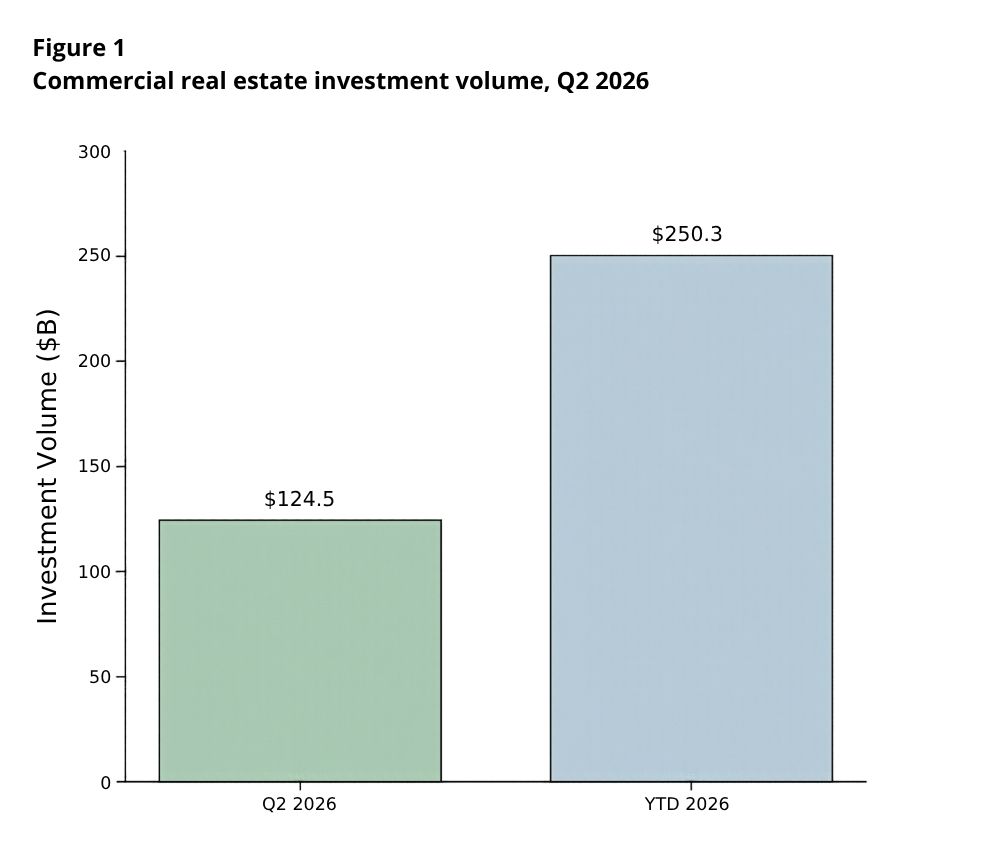
- Year-to-date investment volume increased 21% to $250.3 billion (Fig. 1).
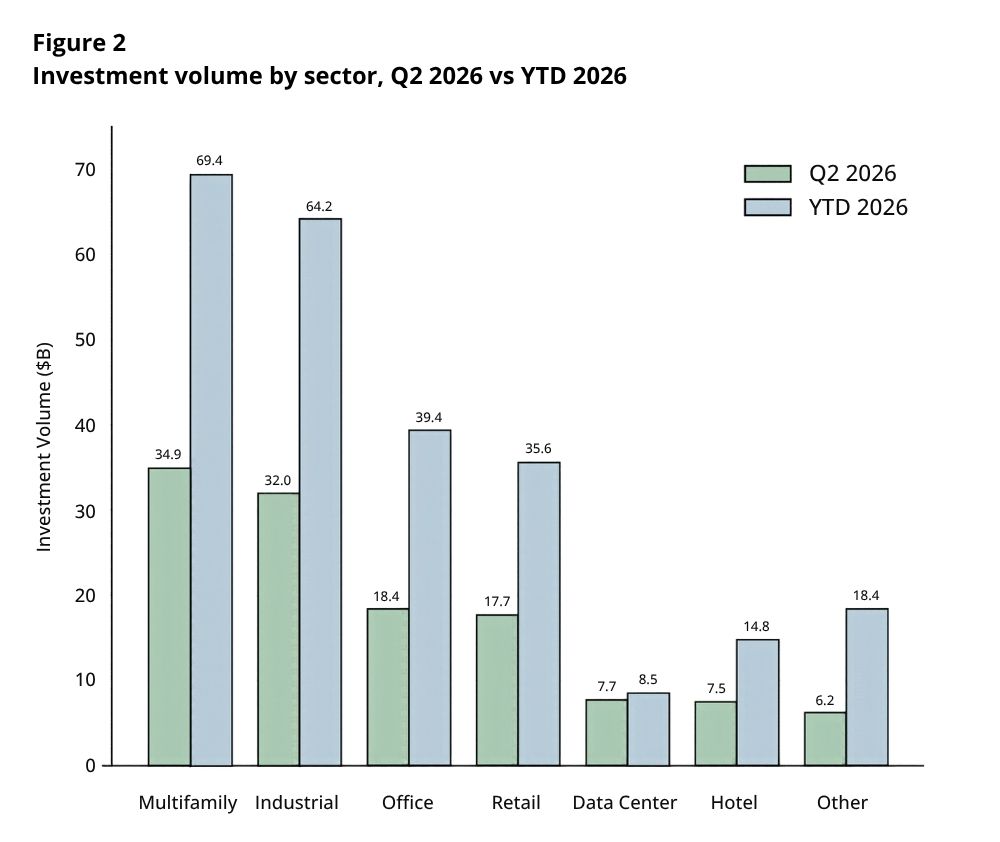
- Multifamily and industrial assets attracted the greatest investment volume through the first half of 2026, significantly outpacing other property types. Office and retail activity also remained resilient, reflecting continued investor interest across multiple sectors (Fig. 2).
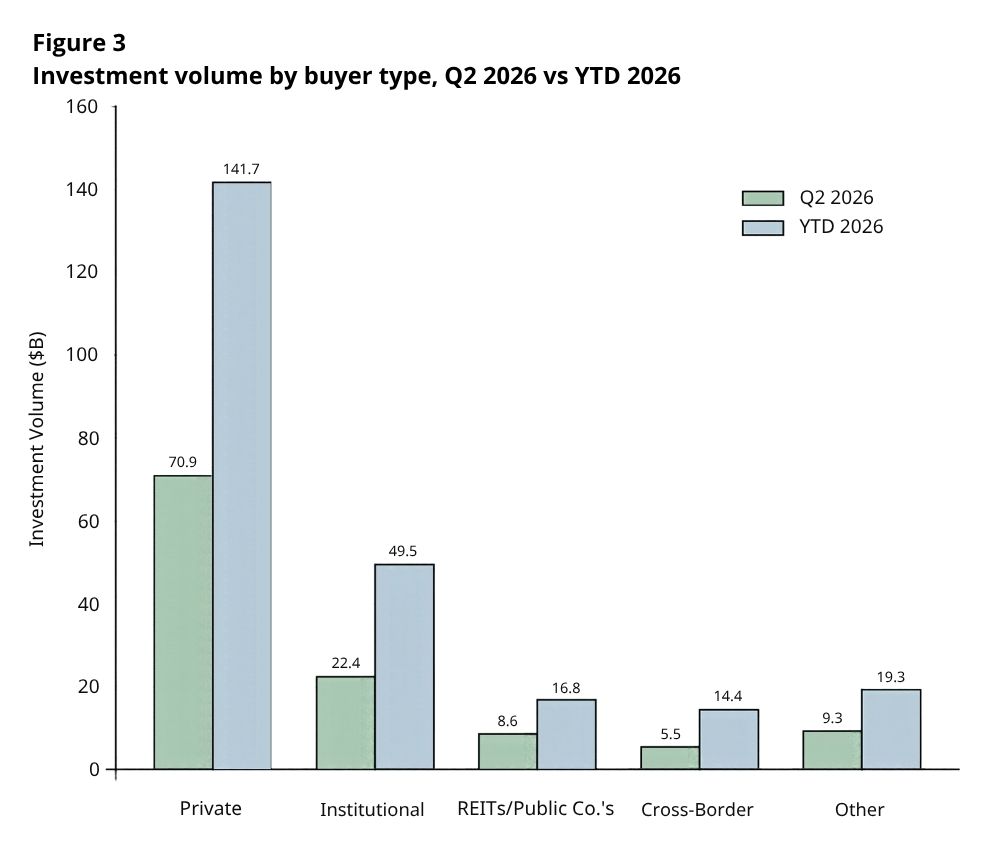
- Private investors remained the dominant source of capital, accounting for substantially more transaction volume than any other buyer type. Institutional investors ranked a distant second, while cross-border activity remained comparatively limited (Fig. 3).
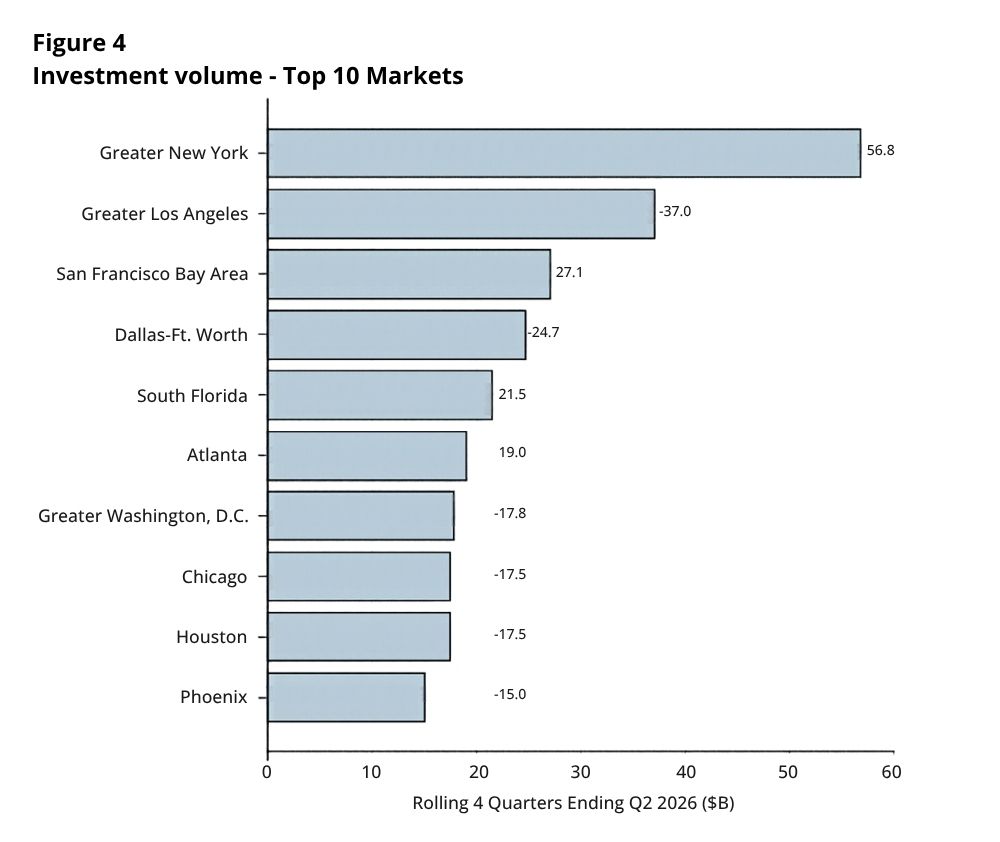
- Greater New York maintained a substantial lead in investment activity over the rolling four quarters ending Q2 2026. Greater Los Angeles and the San Francisco Bay Area completed the top three, demonstrating the continued concentration of investment in major U.S. markets (Fig. 4).
To view larger images and dive deeper into the data, click on the images above.
LATEST DEVELOPMENTS
Data Center Moratoria Reflect Growing Scrutiny of Rapid Development

The rapid expansion of data centers is prompting states and communities to reconsider how they site and regulate these facilities. Concerns over electricity demand, water use, noise, environmental impacts, infrastructure capacity, and potential effects on utility rates have contributed to a growing number of temporary moratoria and other measures intended to give governments more time to evaluate data center development.
State Actions
At the state level, New York imposed a one-year moratorium on new hyperscale data centers in July while developing higher standards and a framework for community investment. Similarly, in Maine, the legislature approved an 18-month moratorium on data centers requiring 20 megawatts or more. But Governor Janet Mills vetoed the measure, stating that she supports a temporary pause with an exemption for a specific project.
Meanwhile, Massachusetts has moved beyond a simple moratorium. An executive order issued September 8 requires data centers with peak electricity demand exceeding 25 megawatts to meet state standards and submit community benefits agreements before certain state permits can be issued.
Virginia has also taken a broad approach. In September, Governor Abigail Spanberger issued an executive order directing state agencies to develop a framework for AI and data center development, including consideration of the impacts on electricity demand, water resources, infrastructure, and local communities.
Governor Greg Abbott directed the Texas Commission on Environmental Quality to stop issuing permits for new data centers while the Electric Reliability Council of Texas and Texas Water Development Board conduct audits examining proposed facilities’ electricity and water use, community impacts, ownership, and tax incentives. The order follows an August directive requiring additional review before new data centers can connect to the state’s electric grid.
Local Moratoria
Local governments are also using temporary moratoria and other development pauses to give officials time to assess the potential impacts of data center growth and determine whether existing regulations are adequate. There are more than 1,100 locally enacted or proposed measures across 49 states, including moratoria, pauses, and other siting restrictions.
For example, in June, Charlotte, North Carolina, adopted a 150-day moratorium on new data center applications. The city is using the pause to study infrastructure capacity, noise, and environmental impacts and to evaluate potential changes to its development regulations. The moratorium ends November 5 and does not apply to projects approved before June 8.
Other jurisdictions have taken similar approaches. In Georgia, Dougherty County adopted a 45-day moratorium in July to review its zoning ordinance and determine whether data centers require specific development standards. Putnam County subsequently enacted a three-month moratorium covering data centers as well as battery energy storage and solar facilities, while Savannah adopted a 155-day moratorium on large-scale data centers and certain conversions to data center use to study infrastructure capacity, zoning, and site-development standards.
For developers and property owners, the moratorium trend underscores the importance of evaluating local zoning, infrastructure capacity, and environmental considerations early in the site selection process. As jurisdictions adopt new data center requirements, projects that align with surrounding land uses and address potential impacts may face less opposition and have a clearer path to approval.
Federal Appeals Court Upholds CERCLA Designation of PFOA and PFOS

The U.S. Court of Appeals for the District of Columbia Circuit upheld EPA’s 2024 designation of two widely used PFAS — perfluorooctanoic acid (PFOA) and perfluorooctanesulfonic acid (PFOS) — as hazardous substances under the Comprehensive Environmental Response, Compensation, and Liability Act (CERCLA). The decision rejects a challenge brought by seven business groups, including the U.S. Chamber of Commerce, which argued that EPA failed to adequately consider the rule’s potentially significant costs for businesses.
The court ruled that EPA acted reasonably and had the authority to designate PFOA and PFOS as “hazardous.” That decision comes after Trump’s EPA announced it would formally defend the Biden administration’s 2024 rule. Initially, the Trump administration had requested multiple stays in the legal proceeding while it reviewed the designation.
By upholding the designation, the court leaves CERCLA’s cleanup and cost-recovery authorities for PFOA and PFOS in place. EPA can compel responsible parties to investigate and clean up PFOA or PFOS contamination or undertake the response itself and seek to recover its costs. State governments and private parties that incur cleanup costs may also pursue reimbursement from responsible parties.
Real Estate Considerations
For property owners, buyers, and lenders, the potential costs and liability related to PFOA and PFOS can complicate due diligence, transactions, and insurance decisions, including at sites where cleanup was previously considered complete. Although EPA’s enforcement discretion policy provides some protection for certain “passive receivers,” many in the regulated community want formal statutory liability protections.
Real estate transactions remain subject to significant uncertainty because cleanup standards vary among jurisdictions, PFAS remediation technologies and exposure pathways continue to evolve, and the extent and cost of PFAS contamination can make cleanup difficult. Buyers, sellers, developers, lenders, and their advisors should therefore incorporate PFAS considerations into due diligence, transaction documents, liability allocation, and risk-management strategies.
New York Climate Superfund Law Blocked by Federal Courts
A federal court has blocked New York’s effort to make major fossil fuel companies help fund the state’s response to climate change. The Climate Change Superfund Act, enacted in 2024, required companies responsible for more than one billion tons of covered greenhouse gas emissions between 2000 and 2024 to collectively pay an estimated $75 billion over 25 years to fund “infrastructure investments and expenses necessary for comprehensive adaptation to the impacts of climate change.”
On August 31, the U.S. District Court for the Northern District of New York ruled that New York’s statute is preempted by federal law. The court relied in part on a Second Circuit decision involving similar state-law climate claims against fossil fuel companies and concluded that the Clean Air Act does not authorize New York to impose liability for interstate greenhouse gas emissions. The court also found that applying the law to emissions associated with foreign fossil fuel production raised separate federal foreign-affairs concerns.
Then on September 23, a second federal court held that the state’s Climate Change Superfund Act is preempted by the federal Clean Air Act and, for foreign producers, the foreign-affairs doctrine. The parties had jointly asked the U.S. District Court for the Southern District of New York to enter a declaratory judgment that the Act is preempted and to enjoin New York officials from implementing or enforcing it. The parties also asked the court not to rule on the remaining claims pending appeal.
Implications for Environmental Due Diligence
These decisions come as states continue to develop their own approaches to addressing climate-related risks. Examples include climate disclosure initiatives in California, New York, and New Jersey, as well as the increasing role of climate risk assessments in environmental due diligence. The New York decisions add another layer of uncertainty to the developing regulatory landscape.
Other states, including Vermont and Maine, have pursued similar climate Superfund approaches. While the New York rulings do not determine the validity of those laws, their federal preemption analysis could become relevant to future challenges.
Any appeals in the New York cases will proceed as the U.S. Supreme Court considers Suncor Energy v. County Commissioners of Boulder County, which addresses whether federal law bars state-law claims seeking damages for harms allegedly resulting from interstate and international greenhouse gas emissions. Oral arguments took place on October 5. The Supreme Court’s decision could clarify the federal preemption issues at the center of the Climate Superfund Act litigation.
STATE DEVELOPMENTS
By-Right Development for Energy Storage Projects in Rhode Island
Rhode Island legislation (H 8294 Substitute A), enacted and effective June 24, 2026, makes it easier to develop energy storage projects on certain abandoned and previously contaminated properties.
The law allows energy storage systems to be developed by right on qualifying contaminated properties, meaning they can move forward without discretionary zoning approval as long as they meet applicable requirements. It expands an existing state law that already provided similar treatment for renewable energy projects.Properties zoned only for residential use are excluded.
The law also allows energy storage systems on certain abandoned properties that have gone through the state’s receivership process. Those projects must still meet local by-right development requirements, along with limits on lot coverage, setbacks, height, and project size.
Courts overseeing the sale of abandoned properties may also give preference to buyers proposing an energy storage project.
Vermont Authorizes Temporary Wetlands Allowance for Certain Housing Projects
Vermont’s Department of Environmental Conservation revised its wetland rules, effective August 8, 2026, to make it easier to build qualifying housing projects near certain Class II wetlands. The temporary provision (Section 6.26) allows eligible projects to proceed without a state wetlands permit if they meet specified requirements and register with the state.
Eligible projects include duplexes, emergency shelters, multifamily or multiunit housing, and certain mixed-use developments. Projects must also be located in designated development areas, certain areas within one half mile of those areas, or Tier 1A or Tier 1B areas.
Projects must identify and delineate wetlands on the site and generally avoid construction within Class II wetlands and within 25 feet of their boundaries. Qualifying housing and related infrastructure may be built within portions of the wetland buffer, and certain unavoidable utility and access crossings may also qualify.
Qualifying projects must register with the state by January 1, 2030.
Pennsylvania Updates Hexavalent Chromium Cleanup Standards
The Pennsylvania Environmental Quality Board has updated cleanup standards for hexavalent chromium, or Cr(VI), effective August 15, 2026. The rule updates the toxicity values used to calculate soil cleanup standards for Cr(VI) based on newer toxicological information from EPA’s Integrated Risk Information System. It also revises the residential and nonresidential direct contact soil standards in Appendix A and corrects a calculation error from the previous rulemaking. The changes apply under Pennsylvania’s Land Recycling Program, which establishes standards for cleaning up contaminated sites under Act 2 of 1995.
Thank you to STP ComplianceEHS for contributing the articles under State Developments in this edition.

LENDERS’ CORNER
The Rise of Super Regionals

Dave Colonna, Director, Lender Solutions, ERIS
The U.S. banking industry has seen its largest wave of mergers and acquisitions since the financial crisis of 2008. While both the recent surge and the 2008 crisis dramatically impacted the banking landscape, the motivations, conditions, and regulatory environment were very different.
In 2008, the subprime mortgage crisis led to defaults and immediate liquidity concerns, to the point that the FDIC had no choice but to intervene. Global mega-banks like J.P. Morgan, Wells Fargo, Bank of America, and Citi absorbed failing rivals to stabilize the sector and coined the phrase “Too Big to Fail.”
FDIC and OCC Pave the Way for Mergers
Today, the motivation and regulatory environment are much different. In 2025, the FDIC and OCC rescinded their strict frameworks to help streamline the approval process for bank mergers. This helped pave the way for banks with strong balance sheets to make strategic acquisitions to grow in both scale and scope and better compete with the Big Four.
These acquisitions have resulted in the formation of what are now known as Super Regionals. Fifth Third’s acquisition of Comerica and Huntington Bank’s acquisition of Cadence are examples of scale plays in which the acquiring banks significantly grew their footprint and strengthened their commercial lending profile. In a similar move, PNC acquired FirstBank in Colorado to continue its goal of national expansion.
Capital One has chosen a different path while remaining active with its recent acquisitions. In 2024, they acquired Discover, combining Capital One’s massive credit card issuance business with Discover’s end-to-end payment system; they created a vertically integrated entity capable of directly competing with dominant payment networks like Visa and Mastercard as well as major card issuers. J.P. Morgan Chase, Citi, and American Express. The move has saved the bank billions in fees.
Similarly, Santander recently acquired Webster Financial. Both had a strong presence in the Northeast; however, through the acquisition, Santander strengthened its commercial lending and retail presence while also gaining access to Webster’s Healthcare Financial Services Platform. The move expanded Santander’s offerings and helped it reach a broader client base.
What Does This Mean for Risk Managers at Financial Institutions?
Whether the motivation is scale or scope, there is no sign these M&A deals will slow down in the short term. For environmental risk managers at banks, the rise of Super Regionals represents both opportunity and complexity. Larger institutions must manage environmental risk across broader markets, integrate disparate underwriting processes, and deliver consistent due diligence standards enterprise-wide. In this environment, scalable, data-driven environmental risk solutions become increasingly important in helping lenders support growth while maintaining strong portfolio oversight.
PRACTICE TIP
With Great [Battery] Power Comes Great [Battery] Responsibility

This edition’s Practice Tip Presented by:

Contributing Author: Amy M. Wright, Director, Technical Due Diligence, Nova Group, GBC
The growth of battery-powered vehicles and the need for a more flexible electrical grid are driving the widespread use of lithium-ion batteries. No doubt we have all witnessed the rise in electric vehicle charging stations and in battery energy storage systems (BESS) throughout the country and around the world. However, we have also seen an increase in fire risk associated with these batteries.
Vehicle fires associated with lithium-ion batteries, new restrictions regarding how you may bring lithium and lithium-ion batteries aboard planes, and fires at BESS facilities have recently been in the news, and communities are taking note. Recently in Huntsville, Alabama, for example, the local utility company received such strong pushback from the residential community adjacent to a planned BESS facility, questioning the fire safety of the installation, that the utility company is now seeking a new location for it.
Fire safety concerns extend beyond community opposition. They also raise questions for real estate due diligence professionals, health and safety specialists, utilities, engineers, and attorneys involved in evaluating and siting battery facilities. Potential risks may affect both the property where a facility is located as well as adjacent and neighboring properties.
Important questions for parties to consider when evaluating properties where lithium-ion batteries are used or stored include:
- How would a fire be contained and extinguished?
- What environmental impacts could occur during and following a fire, both on the property and on neighboring or downstream properties?
- From a property condition assessment perspective, what specialized fire protection or suppression systems may be needed?
- Can existing structures be retrofitted to accommodate those systems?
Greater reliance on battery power comes with greater responsibility to understand and manage its risks. For those evaluating real estate, asking the right questions early can help inform siting decisions, identify appropriate safeguards, and support the safe expansion of battery technology.
ASTM DEVELOPMENTS
ASTM E2790 Revision Moves Toward Publication Following Successful Ballot
ASTM International has approved revisions to ASTM E2790, Standard Guide for Identifying and Complying with Continuing Obligations, updating the guide to reflect changes in related ASTM standards and practical experience with managing continuing obligations at environmentally impacted properties. E2790 provides a framework for identifying and fulfilling post-acquisition obligations associated with activity and use limitations (AULs), institutional controls, land use restrictions, and reasonable steps intended to support CERCLA liability protections and sound environmental risk management.
The revised E2790 will move into the ASTM publication process on November 1. Once that process is complete, the revised document will be published as an ASTM Standard Guide, updating the prior 2020 version.
Revisions Overview
The revisions don’t substantially change the guide’s overall approach but add clarification and additional guidance in several areas. Among the more notable revisions are:
- Timing, definitions, and terminology: Clarifies considerations for determining when action should be taken to satisfy a continuing obligation and updates definitions to conform with current ASTM standards and terminology.
- AUL identification and title searching: Expands guidance on identifying nonrecorded AULs; conducting title searches; evaluating homeowner association covenants, conditions, and restrictions (CC&Rs); and identifying AUL boundaries through legal descriptions or field-based GPS.
- Cleanup standards and regulatory oversight: Provides additional guidance on continuing obligations associated with more stringent cleanup standards, including circumstances that may result in a controlled recognized environmental condition (CREC), and clarifies the relationship between agency oversight and continuing obligations.
- Monitoring engineering controls: Expands discussion of monitoring vapor mitigation systems, vapor barriers, preferential pathways, and other engineering controls.
- AUL monitoring and compliance: Adds guidance on monitoring AULs during property transfers and documenting compliance, including additional considerations for statutory enforcement AULs.
- Remote sensing and technology: Recognizes the potential use of satellite, aerial, and drone imagery to evaluate AULs and identify changes in land use, construction, grading, excavation, or certain engineering controls.
- Practical application: Adds eight hypothetical scenarios based on real-life circumstances to illustrate how continuing obligations can arise in property acquisition, cleanup, redevelopment, and ongoing monitoring.
The revisions also incorporate other clarifications, including discussion of government-owned property, petroleum exclusions, off-site migration, cultural practices that may affect exposure pathways, and legal considerations related to title review.
ASTM Framework Focuses on Moving Petroleum UST Release Sites Toward Closure
For anyone working on a petroleum underground storage tank release site, a key question is whether the current corrective action is moving the site toward closure. ASTM E3488-25, Standard Guide for Moving Sites to Closure (MStC) for Petroleum Underground Storage Tank (UST) Releases, provides a framework for evaluating and advancing petroleum UST release sites toward regulatory closure or a no-further-action determination. The standard is intended to complement, rather than replace, existing federal, state, Tribal, and local requirements.
ASTM E3488-25 provides approaches for evaluating petroleum contamination in LNAPL, groundwater, soil, and soil gas and determining whether a site should proceed toward closure, continue its corrective action program, or have its investigation or remediation strategy reconsidered. The standard also addresses conceptual site models and alternative closure criteria.
Importantly, ASTM E3488-25 does not assume that all remaining petroleum contamination must be removed before closure. Where contamination is stable or decreasing and exposure pathways are absent or adequately addressed, the standard provides approaches that may support closure while allowing some low-threat contamination to remain in place.
With approximately 55,000 petroleum UST release cases still open, EPA is encouraging implementing agencies to take a fresh look at whether remaining contamination poses a current or reasonably anticipated future exposure threat. That means considering whether the contamination is stable, whether exposure pathways exist, and whether it could reach people or ecological receptors. In its policy statement, EPA identifies ASTM’s MStC guide as one way to incorporate these assessments into corrective action programs and move sites toward closure.
New ASTM Guide Addresses Zoning Assessments
ASTM International is working on a new zoning assessments guide, which would provide a useful framework for evaluating property conditions and potential risks as part of commercial real estate due diligence.
The New Guide for Zoning Analysis Assessment (WK90529) would establish a consistent framework for evaluating a property’s zoning status and identifying potential zoning-related liabilities. ASTM’s E50.02 Subcommittee on Real Estate Assessment and Management is developing the proposed guide.
The guide would address key elements of a zoning assessment, including the property’s zoning jurisdiction and classification, whether existing uses are permitted, applicable development standards such as setbacks and building height, and whether variances, special-use permits, site plan approvals, or code violations are on file. It would also address whether a property is legally conforming or nonconforming and whether it can be rebuilt after a catastrophic loss.
Task group work on the standard started in April 2024 and it is currently moving through the ASTM standards-development process. Comments and feedback on the current draft were due October 5.
FEATURED ERIS PRODUCT
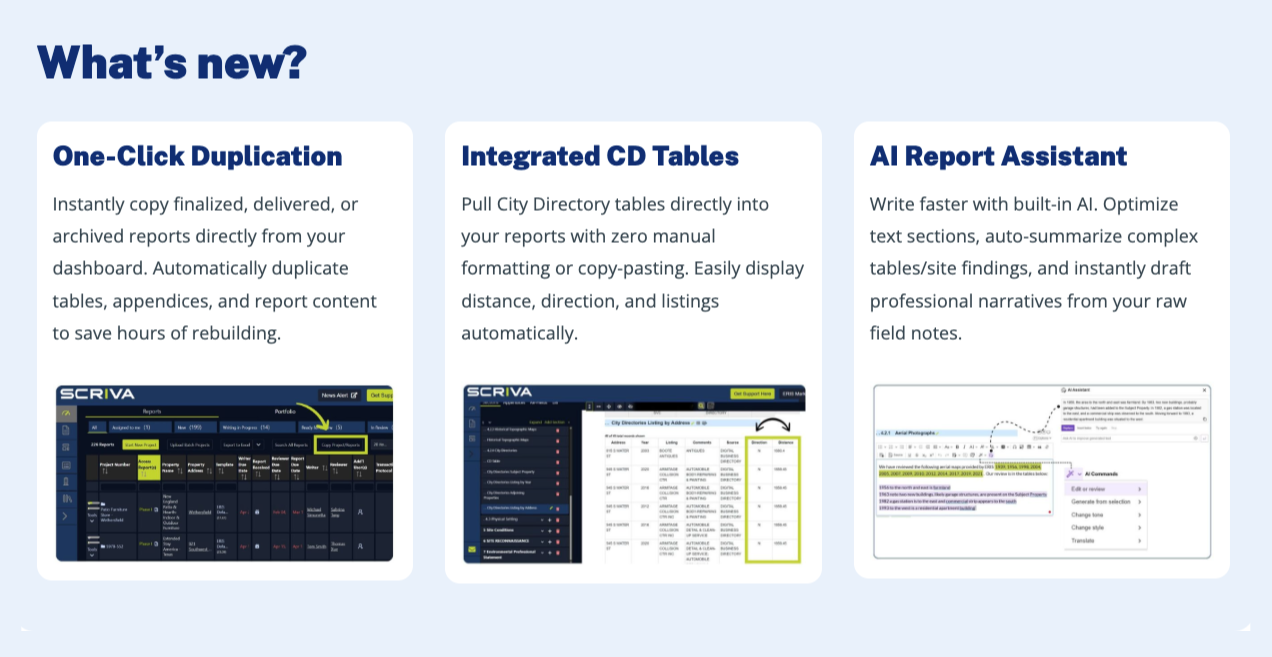
Scriva: New Enhancements
Scriva is ERIS’ report writing platform designed for creating and managingthe creation and management of environmental reports and the assets delivered to clients. Recent enhancements focus on faster report generation, data integration, and assistive writing tools.
- One-Click Duplication
Copy finalized, delivered, or archived reports directly from the dashboard, including report content, tables, and appendices. - Integrated City Directory Tables
Incorporate City Directory data directly into reports, including distance, direction, and listings. Easily filter integrated tables to quickly find and present relevant historical information. - AI Report Assistant
Get automated assistance to optimize text sections, summarize tables and site findings, and convert field notes into report content.
Expanded Property Condition Assessment (PCA) Capabilities
Scriva now offers expanded capabilities within the PCA report template, including:
- Smart, Auto Calculating Cost Tables
Let Scriva handle the math when calculating costs. - Freddie Mac PCA (1105) Reports
Support for Freddie Mac PCA reporting. - Fannie Mae PCA
Quick and easy XML generation for Fannie Mae PCA reports. - Flexible Editing & Libraries
Quickly edit costs and reserve terms based on client requests, while Full Text and Cost Libraries help speed up report writing.
These enhancements are designed to simplify reporting and assist with data integration and the reporting process.
For more information about Scriva’s expanded functionality, or for a full demo, please contact your Regional Account Manager.
SPOTLIGHT ON
Special Profile: Ashley Miller, Regional Account Manager

Ashley Miller
Regional Account Manager
Mid-Atlantic States:
DC, NJ, DE, MD, NC, VA, WV, SC, KY
If there’s one thing that stands out about Ashley, it’s her passion for helping customers succeed. Whether she’s serving as a trusted advisor, identifying practical solutions, or introducing clients to new technology, her focus has always been the same: making her customers’ work lives easier.
Her ERIS journey has been anything but ordinary. After starting in account management, she jumped at the opportunity to join the Scriva development team, bringing her environmental consulting background to a project that aligned perfectly with her experience. The move gave her a front-row seat in the software development world and a chance to collaborate with colleagues across the business before eventually returning to her Regional Account Manager role.
That unique perspective has made her an invaluable partner to customers. Having worked as an environmental consultant herself, she understands the day-to-day challenges they face and can connect those needs with practical ERIS solutions. She loves that ERIS never stands still, constantly evolving products, tools, and data to help customers solve new challenges. As she puts it, “It’s remarkable to have gone from developing film and manually assembling photo logs early in her career to helping customers leverage sophisticated digital platforms and technologies today.”
Ask her about her favorite part of working at ERIS and the answer comes quickly: the people. She credits a “village” of colleagues, leaders, customers, friends, and family for helping shape her career and says one of the company’s greatest strengths is how talented people across teams work together toward a common goal.
When she’s not supporting customers, you’ll find her skiing, practicing hot yoga, sailing on Chesapeake Bay, or planning her next scuba-diving adventure.





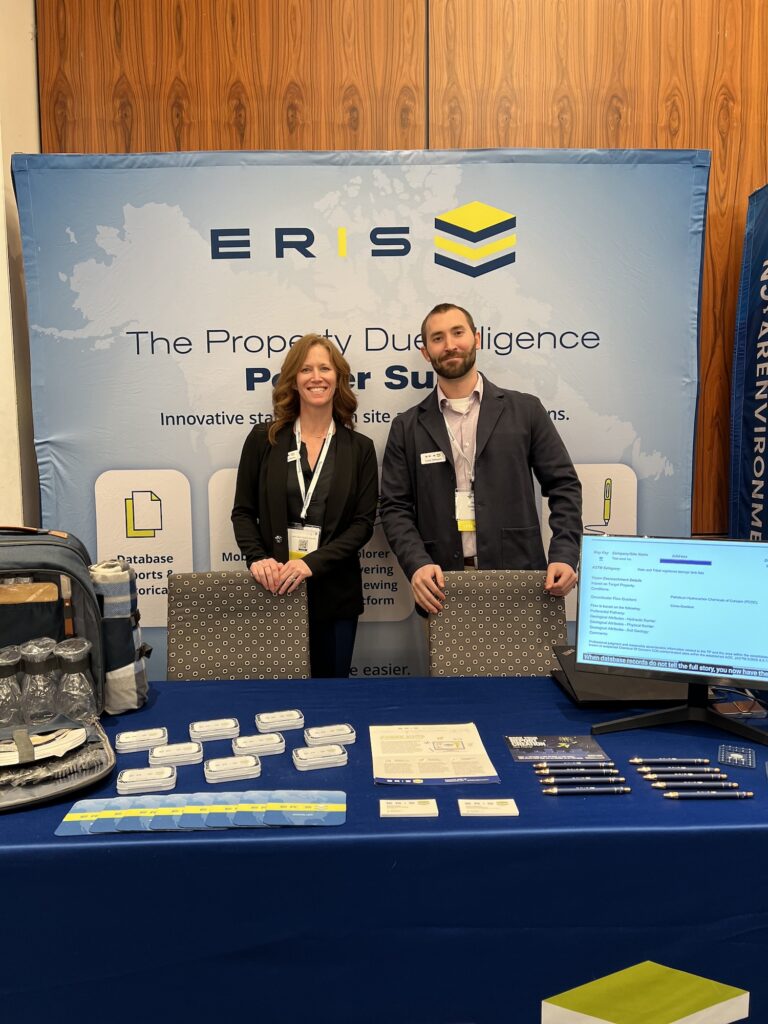
UPCOMING EVENTS

Nov 5, Scottsdale, AZ: Meet Melissa Nelson at RemFest.
Dec 2-3, 9-10, Virtual: Join Anne Polakowski at MSECA’s Annual Environmental Conference.
Dec 8-9, Portland, OR: Meet Maggie Losoya at NEBC’s Business & The Environment Conference.
Thank you for reading this issue of ERIS Insider quarterly newsletter.
Our next issue will drop in mid-January.